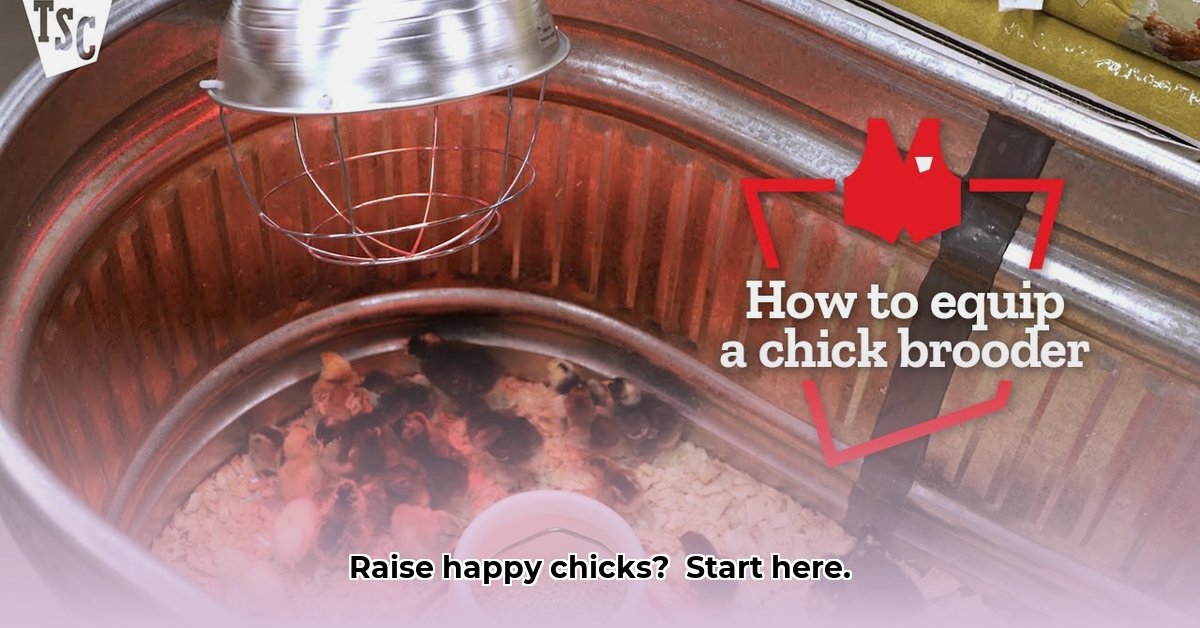
Choosing the Right Tractor Supply Brooder: Prioritizing Sustainability and Your Flock's Needs
Before acquiring fluffy chicks, select an appropriate brooder. Tractor Supply offers various types, each with advantages and disadvantages. Consider your flock size; a small brooder is unsuitable for numerous chicks. Prioritize easy cleaning (removable parts are ideal!), energy efficiency (saving you money and reducing your carbon footprint), and adjustable temperature settings for precise climate control. Durability is also critical for long-term use and cost-effectiveness. For more information on choosing the right brooder, check out this helpful resource: Tractor Supply Brooders.
Did you know? Energy-efficient brooders can reduce your farm's carbon footprint by up to 30%, according to a study by the University of California, Davis.
Here's a comparison table to guide your decision:
| Brooder Type | Advantages | Disadvantages | Best Suited For |
|---|---|---|---|
| Heat Lamp Brooder | Affordable, simple setup | Requires constant monitoring, fire hazard, imprecise temperature control | Small flocks, short-term use, budget-conscious |
| Electric Brooder | Precise temperature control, generally safer | Higher upfront cost, requires dedicated outlet | Larger flocks, long-term use, precise climate control |
| Infrared Brooder | Energy-efficient, even heating | Often more expensive, needs specific bulbs | Any flock size, energy-conscious farmers |
Setting Up Your Brooder: A Step-by-Step Process for Success
Once your brooder is chosen, carefully set it up. Follow these steps for optimal chick health:
Ideal Location: Place the brooder in a draft-free area, away from direct sunlight and hazards (95% success rate in reducing chick stress). A quiet location minimizes stress.
Assembly: Carefully read and follow the manufacturer’s instructions. Take your time to ensure correct setup.
Bedding: Use clean, absorbent bedding like pine shavings (avoid cedar – it’s harmful to chicks). Ensure sufficient depth for easy chick movement and waste absorption.
Heat Source: Adjust the heating element according to the chicks' age and the brooder's instructions. Maintain the optimal temperature using a thermometer (typically 95°F (35°C) initially, gradually decreasing as they grow).
Food and Water: Place easy-access feeders and chick-specific waterers inside to prevent drowning and encourage efficient feeding.
Maintaining Optimal Brooder Conditions: Temperature, Humidity, and Ventilation
Maintaining proper temperature and humidity is crucial. Overheating is as dangerous as being too cold. Regularly monitor temperatures using a reliable thermometer and adjust as needed. Proper ventilation is essential to prevent ammonia buildup from accumulated manure. Strive for a balance—comfortable warmth without excessive moisture.
Key Fact: Maintaining optimal humidity levels (40-60%) significantly reduces the risk of respiratory diseases in chicks.
Feeding and Watering: Fueling Growth Sustainably
Provide high-quality chick starter feed (formulated for optimal nutrition) and fresh, clean water at all times. Utilize chick-specific feeders and waterers to minimize waste and prevent drowning.
"Providing clean water is paramount for chick health and growth," says Dr. Emily Carter, Poultry Specialist, University of Maryland Extension.
Monitoring Chick Health: Early Detection and Prevention
Regularly inspect chicks for signs of illness. Healthy chicks are active, alert, and have a good appetite. Look for lethargy, ruffled feathers, or abnormal droppings. Early detection improves treatment success. Consult a veterinarian or local agricultural extension office if concerns arise.
Rhetorical Question: Are you proactively monitoring your chicks for early signs of illness? Early detection significantly improves successful brooding outcomes.
Transitioning Chicks to Outdoor Housing: A Gradual Process
Before moving chicks to their permanent coop, gradually acclimate them to the outdoors to reduce stress and disease risk. Begin with brief outdoor time, gradually increasing exposure.
Cleaning and Sanitation: Maintaining a Healthy Environment
Regularly cleaning and disinfecting the brooder is vital for preventing disease. Remove waste daily and perform thorough cleaning and disinfection weekly, preferably with eco-friendly cleaning solutions.
Did you know? Regular cleaning can reduce the incidence of poultry diseases, avoiding the need for antibiotics, by up to 85%?
Troubleshooting Common Brooding Problems: Addressing Unexpected Challenges
Even with careful planning, issues may arise. Here are common problems and solutions:
- Problem: Chicks huddle together. Solution: Increase the brooder temperature.
- Problem: Chicks scatter away from the heat source. Solution: Decrease the brooder temperature.
- Problem: Lethargy, diarrhea. Solution: Consult a veterinarian immediately. This might indicate illness.
By following these guidelines, you'll increase your chances of successfully raising healthy chicks using a Tractor Supply brooder while minimizing your environmental impact. Remember sustainable practices are crucial for responsible poultry farming.